

Lymphoma is a form of cancer which begins in the lymphatic system. This is a series of tissues and organs that help your body in an effort to fight infections. As the lymphoma starts, cells of the lymph nodes develop abnormal growth and begin to cause damage to the body. Timely attention and the appropriate physician matter a lot in recovery.
Dr Nandini Choudhury Hazarika is a well-known paediatric oncologist and haematologist of children in Delhi NCR and one of the most reputable doctor in this field. She possesses over 20 years of experience and has worked on a great number of children with blood cancers such as lymphoma.
Here we describe what lymphoma is, the types of lymphoma, early signs and symptoms of lymphoma, causes of lymphoma, how lymphoma is diagnosed, treatments for lymphoma and the lymphoma survival rate.
What Is Lymphoma?
Lymphoma is a type of cancer which attacks the lymph nodes, the spleen, the bone marrow and other components of the immune system. These regions assist your organism in combating germs. The white blood cells begin to develop at an uncontrollable rate when lymphoma begins. They fail to behave like normal cells and are unable to combat infections. With time, such cells proliferate and obstruct the normal course of the immune system.
Lymphoma may occur in children and adults, but, provided the appropriate treatment, most individuals are going to recover.
Types of Lymphoma
There are two main types:
1. Hodgkin Lymphoma
This form contains a special cell known as the Reed-Stem cell. It is less complex to treat, and its cure rate is very high even in children.
2. Non-Hodgkin Lymphoma
This type is more common. It can grow fast or slow. The fast-growing type is common in children, yet it responds well to treatment when it is initiated in time.
Each of the two requires appropriate tests and early diagnosis to strategise the most appropriate treatment.
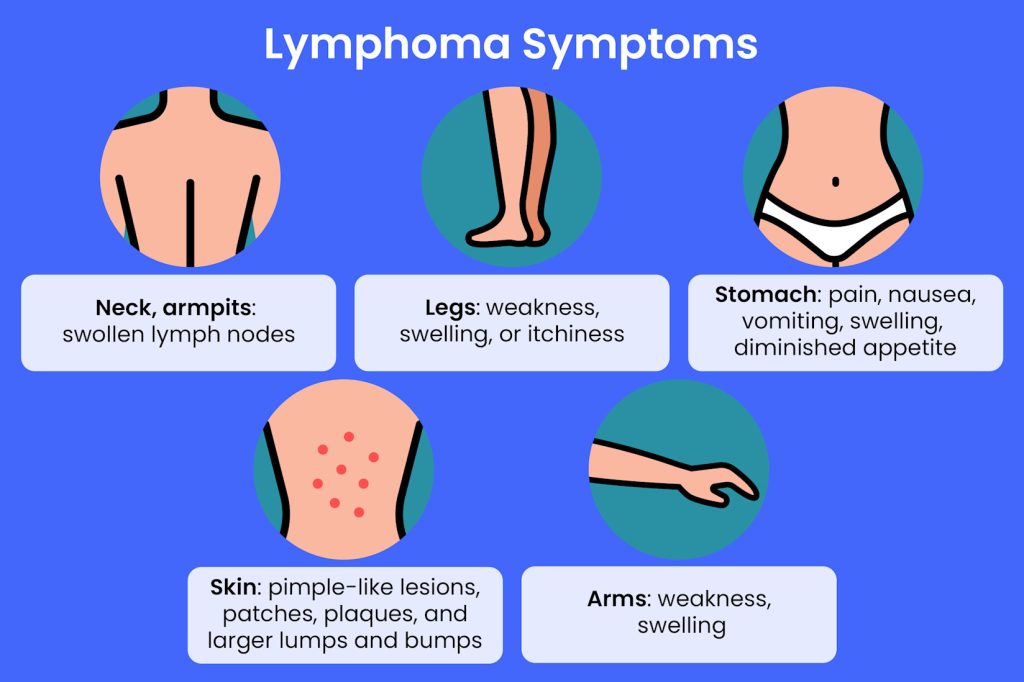
Early Signs and Symptoms of Lymphoma
The symptoms of lymphoma may resemble general sickness, and therefore parents should be attentive.
Some symptoms include:
- Bruised lymph nodes in neck, armpit or groin.
- Fever that keeps coming back
- Night sweats
- Weight loss without trying
- Tiredness
- Chest pains or shortness of breath.
- Frequent infections
- Satisfied with a little food
When these symptoms extend beyond two weeks, then it is better to have the child examined in a cancer clinic.
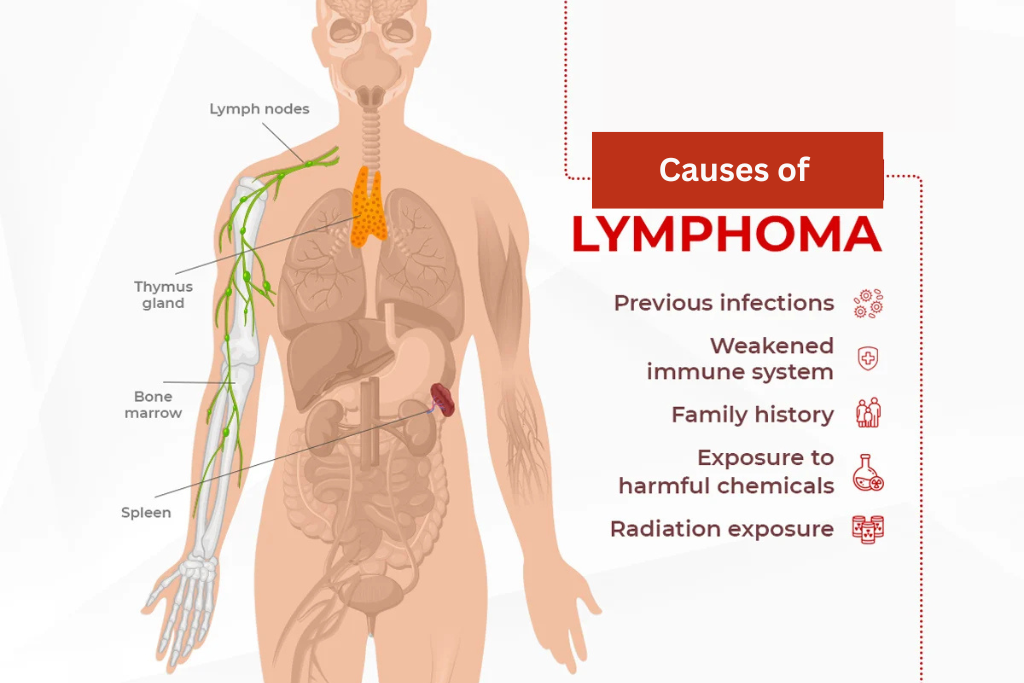
Causes of Lymphoma
The exact cause is unknown to doctors, though certain factors can make it more likely:
- Weak immune system
- Certain infections
- Family history
- Some genetic conditions
- Radiation or chemical exposure.
These risk factors do not imply that a child is bound to contract lymphoma, but these factors assist the doctors to know more about the illness.
How Lymphoma Is Diagnosed
Doctors conduct a number of tests to determine whether a child has lymphoma or not. These examinations assist in comprehending the kind and the level of lymphoma.
Common tests include:
1. Physical Check
The lymph nodes and other body parts are checked by the doctor.
2. Blood Tests
Blood tests depict the body’s functioning and whether the cells appear normal.
3. Imaging Tests
These are X-rays, CT scans or MRI scans. They indicate the spreading of the cancer.
4. Biopsy
A little section of the lymph node is removed and examined under a microscope. This provides the eventual diagnosis.
5. Bone Marrow Test
At times, the physicians will do a bone marrow test to determine whether lymphoma has spread.
Dr Nandini Hazarika is very experienced in the diagnosis of childhood cancers with care and accuracy. She has performed more than 150 bone marrow transplants for various diseases such as lymphoma, leukaemia, thalassaemia, and various blood diseases.
Treatments for Lymphoma
Treatment varies according to the nature of the lymphoma and its stage. The positive side is that therapy is highly effective among children.
1. Chemotherapy
This is the main treatment. Potent drugs destroy cancerous cells and prevent their development.
2. Radiation Therapy
This involves the destruction of cancer cells by means of special rays. It is applied in certain instances of Hodgkin lymphoma.
3. Immunotherapy
This enables the immune system of the child to battle the cancer cells with more strength.
4. Targeted Therapy
These drugs only destroy the cancerous cells and not the normal cells.
5. Bone Marrow Transplant (BMT)
It is applied in cases where the cancer is difficult to cure or recurrent. Dr Nandini Hazarika is very experienced in the field of bone marrow transplants and has been trained in some of the best institutes in India and the USA. Her patients (children) are well supported and adequately followed up to achieve stable recovery.
Lymphoma Survival Rate
There are a large number of children who recover well with lymphoma. Early diagnosis and appropriate treatment give high chances of survival. A cure for about 80 per cent or more of children with lymphoma is possible, mainly when they are looked after by specialised paediatric cancer specialists.
The survival rate depends on:
- The type of lymphoma
- How early it is found
- Treatment responsiveness of child.
- The child’s overall health
With the help of modern treatment, the majority of children return to school, resume normal play, and live normal lives following treatment.
Why Choose Dr Nandini Choudhury Hazarika?
- Over 20 years of working experience in paediatric cancer care.
- Specialises in lymphoma, leukaemia, brain tumour treatment, bone tumour treatment, etc.
- Conducted 150 or more bone marrow transplants.
- Educated in the best hospitals, such as Kidwai Memorial Institute, Tata Memorial Unit (Guwahati) and Duke Medical Center (USA).
- Approachable, tolerant and very loving to children and families.
- Relied on by numerous parents, having great reviews and successful results.
Her skills, attachment and love for all the children make her the choice of families in Delhi NCR and in other places.
Frequently Asked Questions (FAQs)
Q1. Is lymphoma contagious?
No, the lymphoma is not contagious. Even when you are sharing another person with this person, you cannot get it even when he or she has it. The interaction with lymphoma patients is safe.
Q2. Will treatment lead to my child losing his or her hair?
The majority of children lose hair during chemotherapy, but it grows back when the treatment ceases. It is also useful to acquire fun hats or scarves around this period, as some of the families do.
Q3. What is the treatment duration of lymphoma?
The average duration of treatment is six months to two years. The successful treatment of the child depends on the kind of lymphoma; this determines the exact time.
Q4. Are children able to attend school during lymphoma therapy?
This is based on the feelings of the child and doctoral opinion. There are those children who may go to school during treatments and those who are required to rest at home. There are lots of hospitals in which the teachers assist kids to maintain schoolwork.
Q5. Which foods do children with lymphoma eat?
The children are to consume eats that are healthy with abundant protein, fruits, and vegetables. Dr Nandini and her colleagues will provide certain recommendations regarding nutrition in treatment. There are foods that may have to be avoided in case of a weak immune system.