
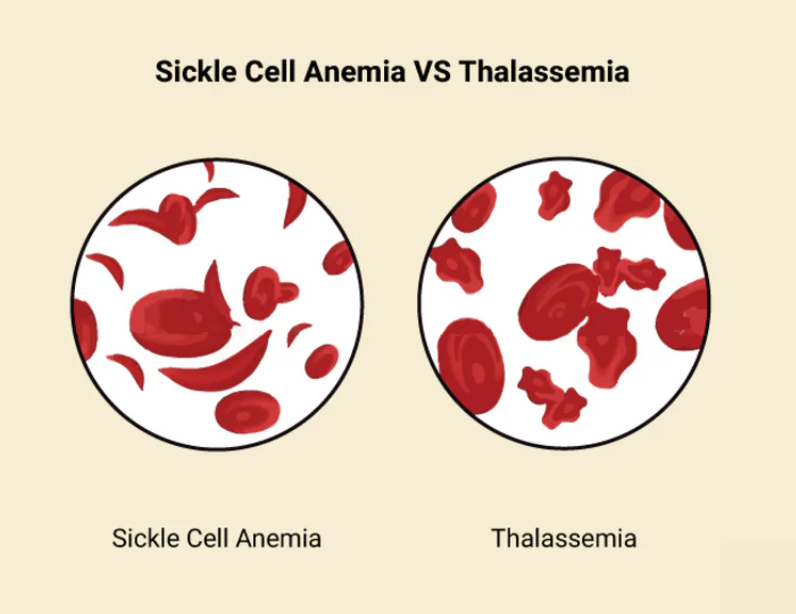
Sickle cell anemia vs. Thalassemia; both of them are two inherited blood disorders that can be inherited by children, but how they differ is a question that many parents and children also have. The most important information is being aware of the main distinctions so that the families can comprehend symptoms and treatment, and the need to receive separate specialised care, that is, the highest attention these diseases should receive. One of the best pediatric haematologists, Dr. Nandini Choudhury Hazarika, happens to be in India.
Understanding Our Blood: The Basics
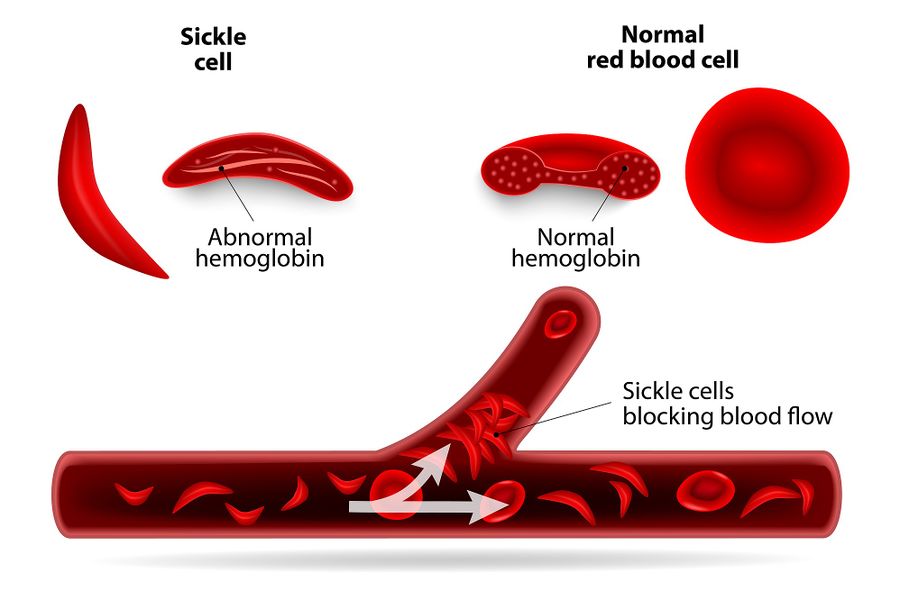
Blood consists of plasma, red blood cells, white blood cells and platelets. It is the oxygen-laden red blood cells courtesy of a protein known as hemoglobin. The red blood cells are unable to carry out their duties, which allows diseases such as sickle cell anemia and thalassemia to develop when hemoglobin is not functioning properly.
What Is Sickle Cell Anemia?
Sickle cell anemia is genetic in the sense that a child is born with it due to a mutation in his or her genes. These genes determine the hemoglobin morphology in red blood cells. The blood cells have become hard and sickle-shaped (shaped like a curved farming tool). These cuckoo-shaped cells clog the blood vessels readily leading to the inability of blood to move easily to places where it is required due to their sickle like shape.
Main Symptoms in Kids
- Painful crisis: Sudden pain of the arms, legs, back or chest.
- Frequent infections: The spleen that can prevent germs can be damaged.
- Anemia: Feeling fatigued, weak, or out of breath.
- Yellow skin or eyes (jaundice): Because of damaged red blood cells.
Signs of sickle cell anemia are apparent in most children when they are less than one year of age, or sometimes when they are less than five months old.
What Is Thalassemia?
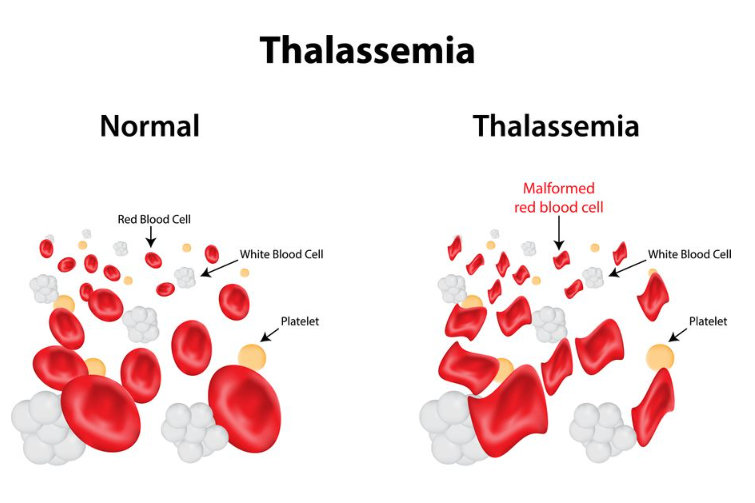
Thalassemia is also a genetic disorder of the blood, but rather than altering the shape of red blood cells, it is a disorder associated with the production of hemoglobin in the body. Children who have thalassemia do not produce sufficient amounts of normal hemoglobin, and this causes them to produce smaller and paler red blood cells which are unable to carry adequate amounts of oxygen.
Main Symptoms in Kids
- Yellow skin or paleness: There is a lack of healthy red blood cells.
- Fatigue and exhaustion: The body is not delivering enough oxygen.
- Poor growth: Children can be shorter, as well as slow growing compared to their peers.
- Swollen belly: Due to a bloated spleen or a liver; these glands labor more strenuously to clear path of flawed cells.
- Bone changes: Bone structure can change as the body attempts to generate additional blood cells.
Thalassemia symptoms can show up in early childhood or even late infancy depending on the type and severity.
How Do Kids Get These Conditions?
Sickle cell anemia or thalassemia is hereditary. In that way they are genetically inherited by parents. When both parents are carriers of the gene that causes either sickle cell or thalassemia, the child will be at risk of carrying that disorder.
- Sickle cell anemia: Both parents are carriers of the sickle cell trait. When the two are passed, the child has sickle cell anemia.
- Thalassemia: It will be determined by the type of thalassemia (alfa or beta thalassemia) and the combination of genes that a given child inherits.
These are not infectious, communicable conditions and they are not colds.
How Are These Conditions Diagnosed?
These disorders are usually detected by a blood test by the doctors. Occasionally, the newborn screening program identifies them early, particularly when the parents of the child are known carriers. The doctor may sometimes perform special tests to detect the shape and type of hemoglobin in the red blood cells on the basis of the symptoms of the child.
The diagnosis can be verified with genetic tests and determine the specific type or severity.
Living with Sickle Cell Anemia
The children with sickle cell anemia require a life time care. Their treatment may include:
- Pain management: The administration of medicine and fluids in times of pain crisis.
- Infection prevention: Vaccination and even antibiotic prophylaxis (daily pills).
- Blood transfusions: To increase the number of red cells in case of severe anemia or to avoid such complications as stroke.
- Hydration and healthy living: Being well hydrated, eat healthy foods and see their doctor on a regular basis.
- Bone marrow or stem cell transplants: The only cure, but not suitable for everyone.
Schools and households are significant in keeping the sickle cell kids healthy and come to their assistance whenever they get out of sickness.
Living with Thalassemia
Children with medium- to severe-thalassemia may require:
- Frequent transfusions: Every few weeks, so that the haemoglobin is maintained at healthy levels.
- Iron chelation therapy: Transfusion may cause an unwanted buildup of iron within the body; thus, iron chelation therapy should help to eliminate this undesirable buildup of iron in the body.
- Folic acid pills: To assist the body in producing new red blood cells.
- Complications follow-up: Complications such as heart problems or infections.
The transformation can cure confident children, especially those with severe forms, using bone marrow or stem cell transplants.
Emotional and Social Support
The difference between sickle cell anemia and thalassemia can both make life difficult, especially for the children and their parents. There are days when a child may be exhausted or left at home when they are not allowed to attend school. Family, peer, teacher and medical support are essential. Discussion of these conditions and how they are treated will help children feel proud and make them feel included.
Why Finding the Right Specialist Matters
Children with blood disorders need professional attention of a specialist who is aware of the specifics of the souls and feelings of little bodies. Early detection and intervention with the advice of an experienced pediatric hematologist will ensure that children with sickle cell anemia or thalassemia live better and have fewer complications.
Meet Dr. Nandini Choudhury Hazarika: Champion for Children’s Blood Health
Children and families who struggle against such diseases as sickle cell anemia or thalassemia should receive the best service possible. This is where specialist such as Dr. Nandini Choudhury Hazarika are needed. As a pediatric medical oncologist and hematologist, you can find Dr. Hazarika in New Delhi, one of the most revered specialists.
She has a 20-year history of working with thousands of children with blood disorders and cancer, carrying out more than 150 bone marrow transplants. Her experience in neuro-oncology and childhood cancers together with the personal care she provides bring hope and confidence to families.
Dr. Nandini Hazarika has worked both nationally and around the globe, earning awards and professional memberships in the most prestigious organizations of the area.
Why Choose Dr. Hazarika for Your Child?
- Comprehensive expertise: From rare cancers to blood disorders.
- Children commitment: Years of working in the pediatrics.
- Higher interventions: Life saving bone marrow transplants.
- Motivated and sensitive: Recognized to gain trust amid families and children.
To get in touch with Dr. Hazarika, book, and/or support, place a call as +91-96508 06846.
Conclusion
Sickle cell anemia and thalassemia though lifelong journeys can be treated and should receive proper medical care to allow their children to live active fulfilling lives. The difference between the two disorders assists the families in knowing what to expect besides acquiring the care they require.
Kids are tough and with good nurses such as Dr. Nandini Choudhury Hazarika they have a chance of a healthy and happy future.