
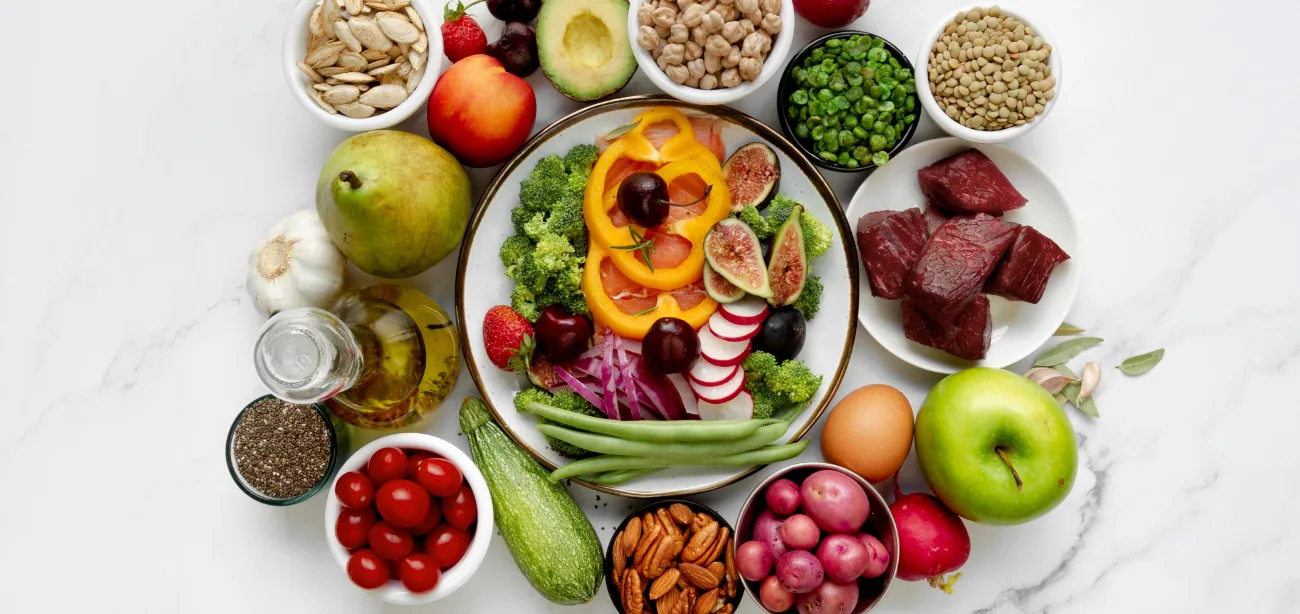
Anemia is considered one of the most common cases of nutritional disorders kids experience in almost every country globally, and the foods their little ones consume may have considerable consequences on their recovery and health. Despite the necessity of taking iron-containing products, it is essential to understand which foodstuffs can prevent the process of iron absorption, on the one hand, or aggravate the symptoms of anemia, on the other hand. The foods to avoid under anemia and what you do as a parent can be decisive to the extent of your child’s better health.
Understanding Anemia in Children
Anemia is a problem in which the body of your child will not be able to develop adequate, normal red blood cells or haemoglobin that can carry a sufficient amount of oxygen throughout the body. This might cause the children to become fragile, fatigued, and angry. The most common type occurs in children and is known as iron-deficiency anemia, although a deficiency of vitamin B12 or folate can also cause it. Regardless of their nature, many foods might impede therapy and recovery.
Foods That Block Iron Absorption
Dairy Products
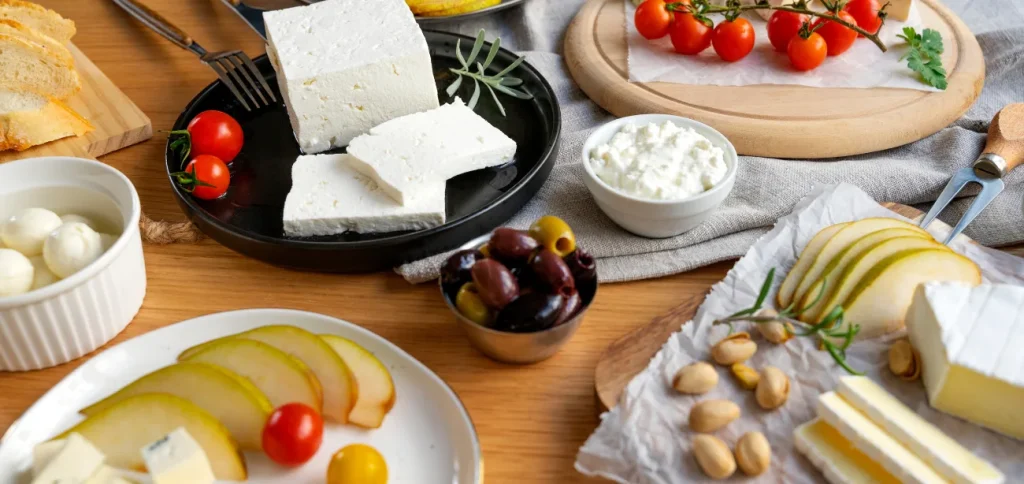
While milk, cheese, and yoghurt are indeed excellent sources of calcium and protein, they may cause a significant decrease in iron intake when combined with iron-rich foods. Calcium and iron compete in the intestines, making it challenging for your child’s body to absorb the iron they consume. This is not the complete removal of dairy, but it involves adjusting the timing of such foods. Consume iron-rich foods at least two hours before and after consuming dairy products.
Tea and Coffee
Children usually do not drink vast quantities of coffee; however, many children enjoy tea or iced tea drinks. They both contain a type of compound called tannins, which can combine with iron and inhibit its absorption. Even herbal teas might have these problematic substances. If your child drinks tea, it is best to avoid serving tea with iron-containing foods, but somewhat between meals.
Whole Grains (When Eaten with Iron)
Whole grains are considered very healthy, but contain phytates, which are substances that can bind iron and other minerals and reduce their absorption. Health foods such as whole wheat bread, brown rice, and oats can block iron uptake when consumed with food rich in iron. A good option would be to have them as separate foods or to pre-soak grains to minimise the level of phytates.
Processed Foods To Avoid With Anemia
Sugary Snacks and Drinks
Excessive sugar consumption can exacerbate the condition of anemia and impede nutrient absorption. Some other foods known to have empty calories include soda, candy, and cookies. These foods also decrease the desire to eat foods rich in nutrients that would facilitate recovery against anemia.
Fast Foods and Fried Foods
A common trait of all fast food is that it frequently lacks many essential components and is high in salt and unnecessary fats. Fried foods can also be an issue, as the body may not absorb nutrients, leading to a loss of essential vitamins and minerals. When used in large amounts, salt may also stimulate inflammation, an aspect that worsens the conditions of anemia.
Processed Meats
The iron is present in processed meat; however, it also has high concentration of sodium and preservatives and such can affect the absorption of nutrients. It has to disregard or eliminate hot dogs, lunch meat and sausages and instead eat fresh and lean proteins due to a superior distribution of iron, among other minerals.
Timing and Combination Guidelines
Strategic Meal Planning
The most important aspect of treating anemia is the combination of foods. Avoid taking iron-rich foods together with foods rich in calcium, foods rich in fibre, and tea. Products containing iron supplements should be paired with those rich in vitamin C, such as citrus fruits, strawberries, or bell peppers.
Spacing Meals Appropriately
Calcium-rich foods should also be avoided when consumed close to an iron-rich meal. This provides an optimum absorption of both of these nutrients without interference.
Creating an Anemia-Friendly Kitchen
Reading Labels Carefully
A high content of hidden ingredients is present in a large percentage of processed foods, which can interfere with iron absorption. Search for products containing few additives and those that are not rich in calcium to serve iron-rich meals.
Cooking Methods Matter
Even cooking in cast-iron pots may increase the iron that is found in the food. Acidic foods should not be cooked in aluminium pots because they interfere with iron absorption.
Portion Control
Healthy foods also affect the process of absorption of iron, especially when taken in large quantities, especially in combination with iron-containing foods, e.g. dairy products and vegetables. Focus on a portion of food and eat in a balanced diet.
The Path to Recovery
Anemia control in kids is all about being persistent and patient. Although not foods unfriendly to anemia, one should remember that the emphasis should be on a nutrient-rich and varied diet that can promote overall well-being and accelerate it. It is essential to note that modifying one’s diet can be a beneficial strategy, but only when adequate treatment and follow-up are in place.
The anemia cannot be cured within one day. Nevertheless, the issue can be resolved under the control of physicians, and with responsible nutrition management, children will ultimately regain their strength and morale. May this be your age: With good food habits at this stage, we can help your child maintain a healthier lifestyle throughout their life, laying the foundation for lifelong healthcare.
Expert Care for Your Child’s Health
Anemia in children is a disease that needs adequate medical consultation so that your child recovers and has good health in future. Dr. Nandini Choudhury Hazarika is one of the renowned pediatric oncologists and haematologists with a vast experience level (a tenure of more than 20 years), and she will specialise in the treatment of various haematological diseases like anemia in children. Dr. Nandini Hazarika is a practising doctor in New Delhi with extensive experience treating blood disorders, and she has helped several families in caring for the healthcare of their younger ones.
The general strategy applied by Dr. Hazarika is not limited to the most advanced medical practices; it also includes practical nutritional tips. Therefore, to treat your child, Dr. Hazarika will provide the best treatment possible. She has a very high standard of excellence in terms of her pediatric health, having performed more than 150 bone marrow transplants due to her extensive experience in handling intricate haematology.
Dr. Hazarika provides special attention and support to families who are anaemic or have other blood-related diseases, enabling them to heal and recover in the best manner possible. you can also visit Dr Nandini Hazarika clinic, and discuss the care of your children with her, and receive professional advice on their behalf.