

Anemia is a common blood disorder among children, and it is more common in developing countries like India. Being able to tell the warning signs early and being able to know the different forms of anemia can be a handy tool as a parent to ensure that your child gets treatment and care in time.
What is Anemia?
Anemia is caused by a lack of healthy red blood cells or hemoglobin to provide sufficient oxygen to the body tissues. This condition when not treated can have tremendous impacts on growth and development of a child and his quality of life.
The Most Important Signs And Symptoms To Observe
Physical Appearance Changes
Among the most conspicuous ones can be the anemia symptoms eyes in the sense of the pale or whitish color of the inner eyelids, which is much different than anemic eyes and the normal healthy pink color of the eye. Parents are encouraged to look regularly at the lower eyelid of their child and pull it down to track the color.
Another tip-off is the anemia tongue, which is pale, smooth, or abnormally red. The tongue of a healthy person should be pink in color with a slightly rough texture.
Common Physical Symptoms
Children who have anemia generally have:
- Abnormal tiredness and frailty.
- Dyspnea on exertion.
- Cold hands and feet
- Split or spoon-like fingernails.
- Weird desires to consume non-food stuff, such as ice, dirt, and starch.
- Fast or irregular heartbeat.
The question many parents ask themselves is can stress cause anemia?Although stress itself is not a direct cause of anemia, persistent stress may influence food consumption and absorption of nutrients, which may lead to iron-deficiency anemia.
Understanding Different Types of Anemia
The 3 Types of Anemia Most Common in Children
The 3 types of anemia most frequently seen in pediatric patients include:
- Iron-Deficiency Anemia: The most common type, caused by insufficient iron intake or absorption
- Megaloblastic Anemia: Results from vitamin B12 or folate deficiency
- Hemolytic Anemia: Occurs when red blood cells are destroyed faster than they’re produced
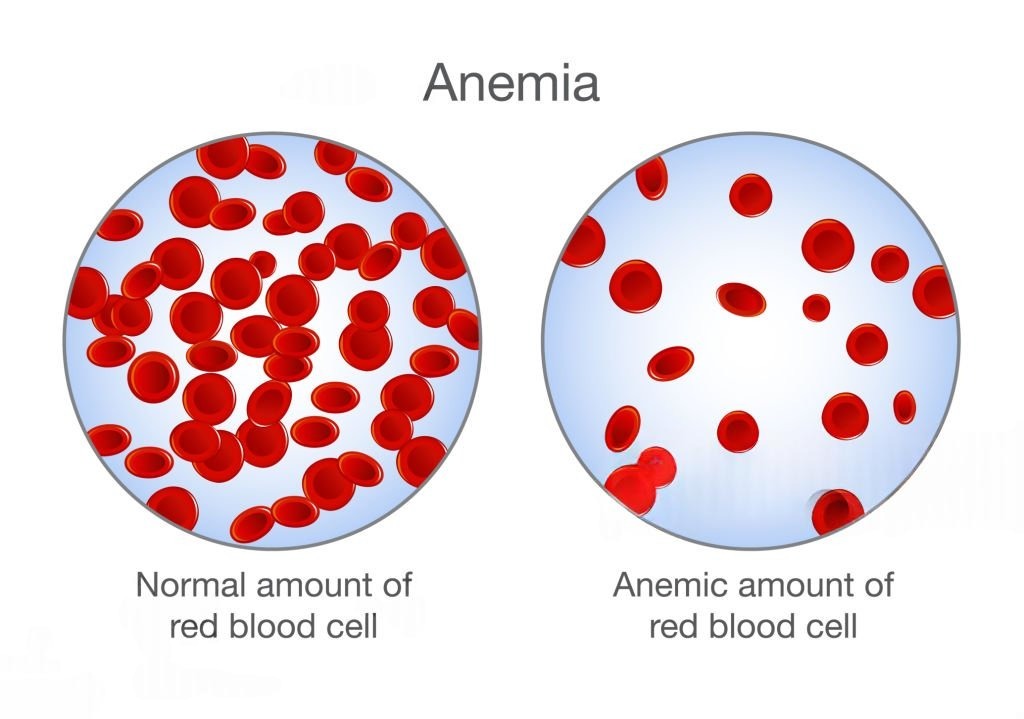
Comprehensive Classification Systems
Clinical classification of anemia assists the physician in finding out the underlying cause and how to treat it. The ICMR classification of anemia (Indian Council of Medical Research) offers a set of guidelines to diagnose and treat anemia in India population that take into account the age, gender, and local food habits.
It is possible to broadly classify all forms of anemia according to
- Cell size (microcytic, normocytic, macrocytic)
- Hemoglobin level (hypochromic, normochromic)
- Nominal cause (nutritional, genetic, chronic disease)
It is important to know about anemia and its types to make a proper diagnosis and develop a treatment plan.
Medical Diagnosis and Classification
Health professionals have a set of diagnostic codes to use in documentation and treatment planning. The icd 10 code for anemia differ depending on the type and the severity of anemia and severe anemia. ICD-10 codes are used to identify instances that need urgent treatment.
Anemia is a significant health problem in India and the scholars have discovered that children are the most affected group particularly in the rural region whereby nutritional deficiencies are rife.
When to Consult a Specialist
In case of the constant symptoms in the child, you need to consult the anemia specialist or anemia doctor to help evaluate them. The hematology department is staffed by hematology doctors whose primary job is to diagnose and treat blood disorders.
Dr. Nandini Choudhury Hazarika is one of the top pediatric hematologists in Delhi and nearby regions with an experience of over 20 years. Being a well-known pediatric medical oncologist and hematologist in the practice of New Delhi, Dr. Hazarika has wide knowledge on the treatment of all types of anemia disorders in children. Her career is significant, as over 150 bone marrow transplants have been performed in the last 8 years on a wide range of conditions, such as thalassemia and aplastic anemia.
Treatment and Care Management
Professional Care Planning
A good anemia care plan usually includes:
- Extensive blood analysis and assessment.
- Dietary counsel and nutrition.
- Suitable supplementation as necessary.
- Frequent follow-up and attention.
An experienced hematology specialist will design a unique treatment plan depending on the type of anemia in your child and its cause.
Addressing Common Concerns
The question parents will ask will be, does anemia cause weight gain? Normally, anemia does not directly affect the weight of a child but a child may experience a change in appetite or reduced activity that could affect their weight pattern.
The other question is whether anemia affects growth and development or not. Can anemia cause irregular periods, which affect the overall reproductive health and development of adolescent girls.
Preventive Measures: How Parents Can Reduce the Risk of Anemia
Prevention is usually always better than cure and as a parent, you can actively take measures to reduce the chances of anemia in your child. It is important to provide a balanced diet with high levels of iron, vitamin B12 and folate. Good sources are green leafy vegetables, beans, fortified cereals, meat, eggs and dairy. Promotion of healthy eating habits at a young age promotes prevention of nutritional deficiencies. Screening tests and health check-ups should also be performed regularly in order to diagnose at an early age. In the countries where anemia is prevalent, iron pills can be prescribed by the experts as a measure to improve the health of your child.
The Importance of Early Detection
The ability to identify symptoms of anemia in the eyes and other early symptoms can help avoid severe complications. Untreated anemic children can grow slowly, learn poorly, and become more vulnerable to disorders.
In the hands of qualified doctors such as Dr. Nandini Choudhury Hazarika, who now works at Madhukar Rainbow Children Hospital in New Delhi, a child with anemia can get full treatment and record the best health results. Her background in pediatric hematology, her fellowship training, and her long history of experience make her a great choice when it comes to families requiring specialized treatment of their children with blood disorders.
It is important to note that early diagnosis and treatment will help your child overcome anemia and live well. When you feel that your child might have anemia, then do not waste any more time before seeking expert medical attention with experienced hematology dr who can offer your child the special care they deserve.
Take Action for Your Child’s Health Today
If you notice any signs of anemia in your child—such as fatigue, pale skin, or unusual cravings—don’t delay. Early diagnosis and timely treatment can make all the difference. Schedule a consultation with a paediatric hematology specialist to ensure your child gets the right care at the right time. Your proactive step today can protect your child’s growth, learning, and overall well-being.