
Sickle cell anemia is a severe blood disorder, with millions of children all over the world having it. As a parent, you can better support the sickle cell anemia child by knowing what causes the problem and making knowledgeable choices about their care. This guide details the pathophysiology of this condition and offers useful information on the management of this condition.
What is Sickle Cell Anaemia?
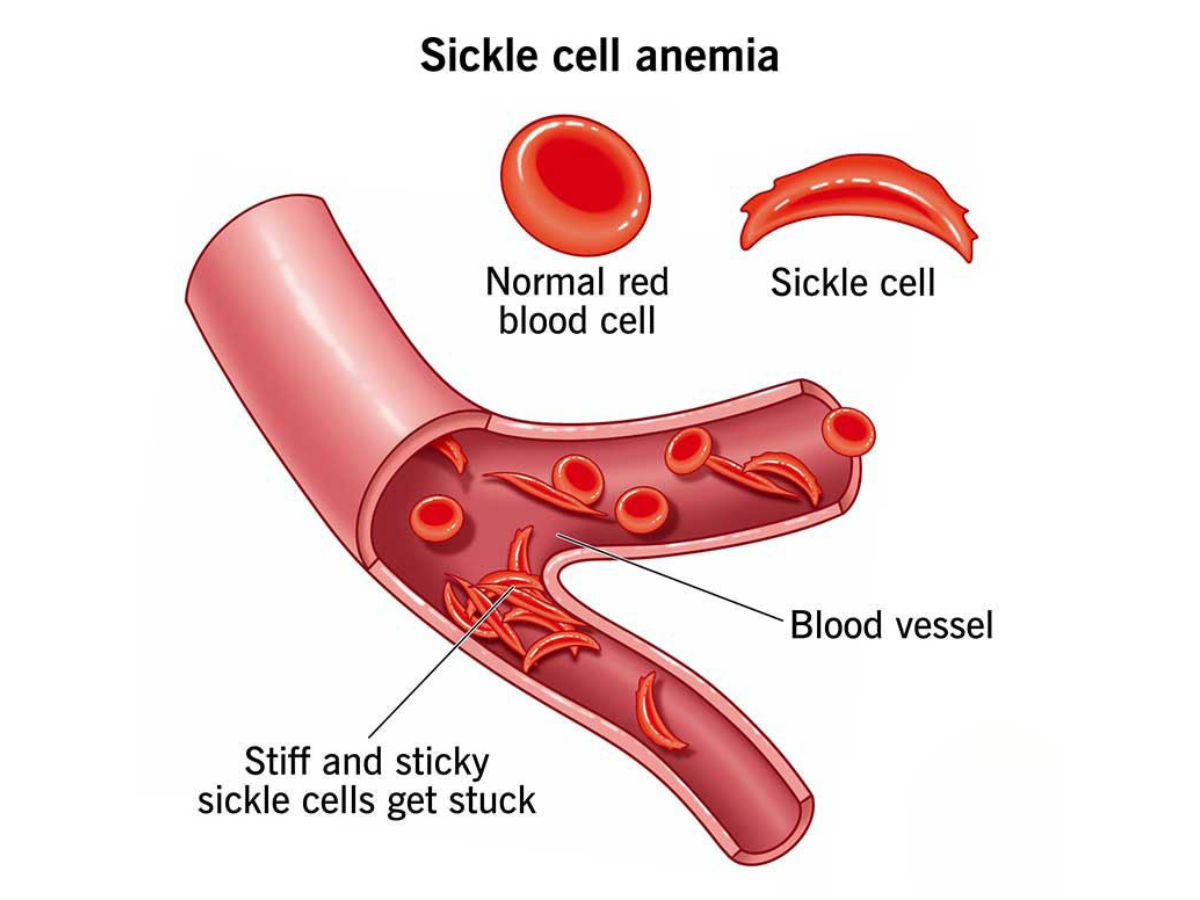
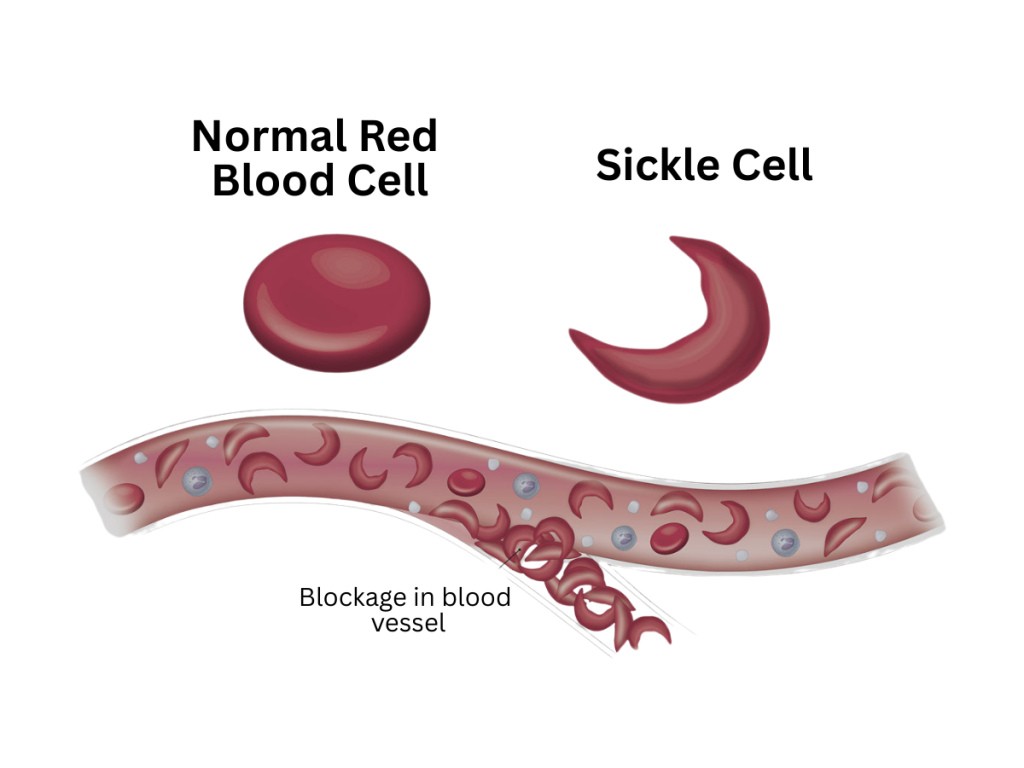
Sickle cell anemia is a genetic blood disease that affects the structure and the workability of the red blood cells. In normal children the red blood cells are round and bendable and can go through the blood vessels easily. However, in sickle cell anemia patients in children, the cells assume the shape of crescents or sticks. It is this basic change which leads to the symptoms of sickle cell anaemia.
It is in the category of hemoglobinopathy or sickle cell anaemia, a haemoglobin protein disorder in blood. The sickle cell anemia ICD-10code (D57) helps the medical workers diagnose and monitor this disease successfully.
The Root Cause: Genetic Mutation
Sickle cell anemia is a mutation of the haemoglobin-producing (protein) gene which carries oxygen throughout the body. It is a mutation in the genes leading to the synthesis of an iron-transporting protein called haemoglobin S (HbS). When the oxygen is at a lower level, the abnormal molecules of haemoglobin attach to each other into long, rigid rods which alter the shape of the red blood cell.
It is important that the nature of the inheritance is critical: sickle cell anemia is a hereditary disease where both parents transmit one copy of the defective gene. This is the reason genetic counselling and sickle cell anemia awareness are important in families that have the condition.
How Sickle-Shaped Cells Create Symptoms
The sickle cell anemia symptoms list that children have is a direct result of the sickle cell shape. These crescent-shaped rigid cells cause issues in the following ways:
Blocked Blood Flow
The sickle-shaped cells are sticky and form clumps that block the small waterways. This blockage blocks oxygenated blood flow to body parts, leading to severe pain or a pain crisis. These attacks target bones, the chest, abdomen, and joints.
Reduced Oxygen Delivery
The inability of sickle cells to transport oxygen as well as normal red blood cells does cause chronic fatigue, weakness and slow growth in children. Normal development and energy levels are impaired because body tissues do not receive sufficient oxygen.
Reduced Red Blood Cell Life
Normal red blood cells have a life span of 120 days, but sickle cells die within 10-20 days. This quick breakdown causes chronic anaemia, which makes one pale, weak and breathless.
Organ Damage
The repeated process of blocking blood vessels may result in the damage of organs such as the spleen, liver, kidneys, lungs, and brain. This is the reason why sickle cell anemia management care should be comprehensive, long-term sickle cell anemia care.
Common Symptoms in Children
The causes and effects of sickle cell anemia do not present in all children in a similar way; however, typical symptoms of the condition include sudden and acute episodes of pain which can last between hours and days. Children tend to have long-term anaemia, which causes constant fatigue, weakness, and pallor. The first prominent sign of the illness in infants is often swelling, particularly in the feet and hands. Since the spleen is damaged, frequent infections are likely to occur as a result of this fact. Blocked blood vessels in the eyes may cause vision problems, and retarded growth is widespread, with the child tending to be physically at a disadvantage compared with classmates.
Treatment Approaches and Medical Care
The knowledge of the factors that precipitate the symptoms of sickle cell anemia has resulted in great improvements in treatment. Although no permanent treatment for sickle cell anemia is currently in general use, a range of different therapies are able to treat the condition and help patients live a normal life.
Medical Treatment Options
The current medical treatment for sickle cell anemia involves:
- Hydroxyurea: A drug that raises the level of foetal haemoglobin.
- Pain Management: Interventions based on both medications and non-drug methods.
- Blood Transfusions: To promote the number of healthy red blood cells.
- Bone Marrow Transplant: This is the only possible cure at the moment, but it carries a lot of risks.
Emerging Treatments
Recent developments in the treatment and curing of sickle cell anemia involve gene therapy as well as newer drugs. The sickle cell anemia treatment in India has been on the increase, and there are special centres that provide holistic treatment.
It is important to work with professionals with experience when you want to take care of your child. Dr Nandini Choudhury Hazarika is a well-known paediatric medical oncologist and haematologist with more than 20 years of experience in the treatment of blood disorders in children, working in New Delhi. Dr Hazarika offers a full range of care to children with sickle cell anemia and other haematological conditions at Madhukar Rainbow Children Hospital.
Nutrition and Lifestyle Management
A proper sickle cell anemia diet plays a crucial role in symptom management. Children with this condition need:
- Adequate Hydration: Preventing dehydration reduces pain crisis risk
- Folic Acid Supplements: Supporting red blood cell production
- Balanced Nutrition: Ensuring proper growth and development
- Avoiding Triggers: Such as extreme temperatures, dehydration, and infections
Prevention and Family Planning
Although once one inherits it, it is impossible to prevent sickle cell anaemia, it is important to know whether sickle cell anemia could have been avoided through genetic counselling in the course of family planning. Prenatal carrier screening assists couples in making better choices.
- The action to prevent future generations with sickle cell anemia is:
- Genetic testing on couples intending to have children.
- Screening of the unborn baby.
- Early detection and newborn screening programmes.
Building a Comprehensive Care Team
Sickle cell anemia needs to be treated and prevented through a multidisciplinary approach. The best hospitals for sickle cell anemia usually have:
- Paediatric Haematologists: Experts of blood diseases.
- Pain Management Specialists: To intervene in a crisis.
- Nutritionists: dietary advice.
- Social Workers: To assist the family.
- Genetic Counsellors: To plan a family.
In seeking the best hospital for sickle cell anemia in india, it is always good to seek the hospitals that have a well-developed paediatric programme and skilled staff.
The Importance of Early Diagnosis
Newborn screening programmes are important to detect the problem at an early stage, as only in this way can a sickle cell anemia care plan be implemented in a timely manner. Effective sickle cell anemia nursing diagnosis assists medical staff to create specific interventions to prevent complications and treat the symptoms.
According to sickle cell anemia doctors, early intervention can go a long way in improving long-term results. Frequent checkups are used to avoid complications and to make sure sickle cell anemia is properly medicated.
Living with Hope
Whereas sickle cell anemia is a thorn in the flesh, improvement of the knowledge of the causes of symptoms of sickle cell anemia has resulted in better treatment and improved outcome. Proper medical attention, family support and overall management strategies help children with this condition enjoy a normal life.
The attribute of cooperation with qualified medical professionals who are aware of the dynamics of this condition is the most valuable. Doctors like Dr Nandini Choudhury Hazarika, who are not only highly trained in paediatric haematology and bone marrow transplantation but also bring with them an array of clinical experience, provide families with the expertise that they need to go through such a challenging process. Working in the large centres and being a member of an organisation like the International Society of Paediatric Oncology (SIOP) will ensure that she has access to the most modern treatments and protocols.
Conclusion
The understanding of the mechanisms of the symptoms of sickle cell anemia will allow the family to be very active in managing the child. The secret of good management is knowledge, whether it be the genetic mutations which produce the sickle-like cells or the series of symptoms which follow. With the right treatments and comprehensive support systems, children with such a condition can realise their potentials and lead good lives.
One should remember sickle cell anemia awareness and education are processes. Stay in contact with your health care team, support groups, and keep informed on changes happening in treatment. Your child may not have an easy road, but with the right nurturing and guidance, he can thrive and lead the life he dreams.