

The very first time that parents hear the term Thalassemia, they tend to be very scared and anxious. However, through current therapies, brilliant physicians and the appropriate treatment, thalassemia children can enjoy healthy, active and happy lives. This blog will explore Indian thalassemia care, treatment, and prevention, as well as how medical professionals, such as Dr. Nandini Choudhury Hazarika, are bringing fresh hope to people.
What is Thalassemia?
Thalassemia is a blood disorder that disrupts how our body manufactures haemoglobin – the protein found within red blood cells that carries oxygen. Children can be weak, pale or exhausted without sufficient healthy haemoglobin. Parents often wonder, “What is thalassemia syndrome?” Simply put, thalassemia syndromes are a family of hereditary disorders in which red cells do not work correctly.
The thalassemia syndromes are characterised by doctors as mild (Thalassemia minor) to severe (Thalassemia major).
Different Types of Thalassemia (major vs minor)
Thalassemia is a condition that comes in various forms, which are diagnosed by doctors in children. The most common groups are:
- Thalassemia Minor (Trait): Mostly mild, the children may not even exhibit symptoms.
- Thalassemia Intermedia: The symptoms are greater than minor, but not as serious as those of major.
- Thalassemia Major (Cooley’s Anaemia): A more serious disease that requires children to undergo frequent blood transfusions and treatment.
In many cases, parents would like to understand the distinction between Thalassemia major and minor. In short, a minor condition is relatively asymptomatic, and a major condition requires lifelong support.
Is Thalassemia Similar to Cancer?
One of the issues that walks the fine line is that it has something to do with cancer. Parents frequently ask:
- Is Thalassemia a cancer?
- Is Thalassemia blood cancer?
The apparent response to this question is no. Thalassemia is not cancer. It is an inherited blood disease that is transmitted between parents and children. Being aware of this is helpful to decrease undue fear.
Causes and Inheritance – Can It Be Prevented?
Thalassemia is an inherited anaemia that is transmitted between parents and children. When the parents have the trait, there is a possibility that the child will have thalassemia major. Of course, most families will question can two thalassemia minor get married? Although love and marriage are individual decisions, genetic counselling is highly recommended by doctors since the chances of children contracting the disease are very high.
That is why thalassemia prevention is a critical topic. Awareness programs disseminate knowledge regarding the prevention of thalassemia disease by conducting tests before marriage or other pregnancies.
The concept of thalassemia prevention and control involves educating the population, conducting early screening, and providing proper guidance to couples. Thalassemia disease can be prevented entirely with the correct actions. The question, which some parents will pose, is, can Thalassemia be prevented? The answer is yes- genetic testing and awareness.
Diagnosis of Thalassemia
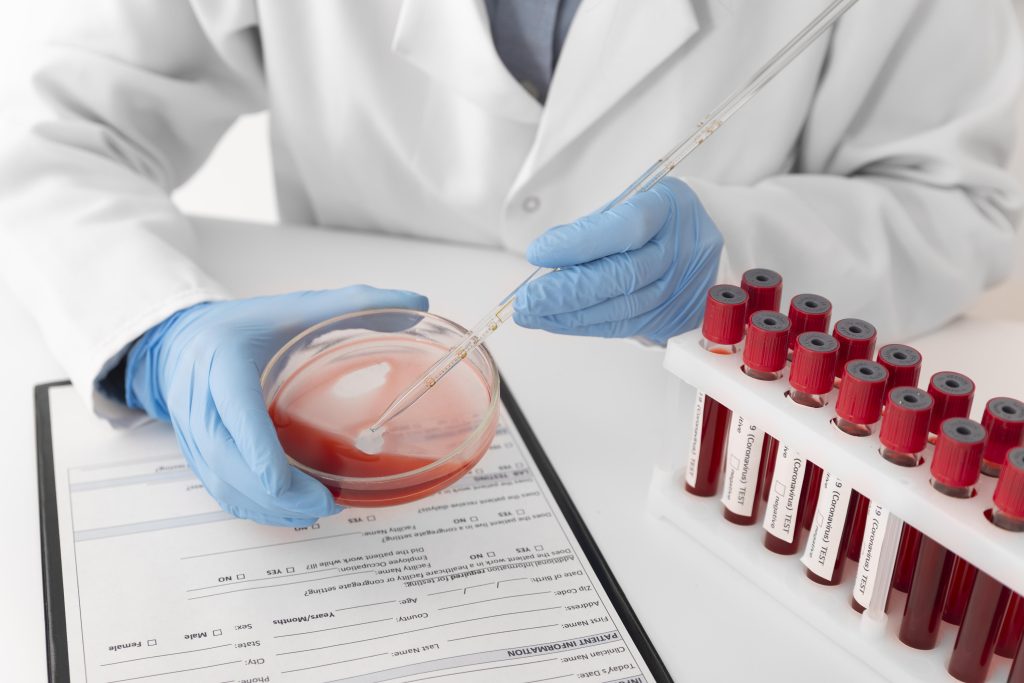
Medical history, blood testing, genetic testing, and occasionally imaging such as thalassemia radiology are used to determine the damage to organs by doctors.
Thalassemia is a disorder that is listed in hospitals under thalassemia ICD 10. The icd 10 code for Thalassemia offers doctors and hospitals with the ability to record accurate diagnosis, insurance and treatment information.
Thalassemia Awareness in India
Awareness of thalassemia is important in a big country such as India. As there are many children born with thalassemia annually, schools, communities, and doctors conduct a lot of talks and camps. The reason why raising awareness saves lives is that new cases can be prevented and all the children who have already been diagnosed, can receive the proper treatment.
Treatment Options for Thalassemia in India
India has achieved a lot in the treatment of Thalassemia. Some of the most common treatment procedures are:
- Frequent Blood Transfusions: Assists children in obtaining healthy red blood cells.
- Iron Chelation Therapy: Transfusions may result in additional iron in the body, so drugs are administered to eliminate this iron.
- Bone Marrow Transplant (BMT): It is the only permanent treatment for Thalassemia. Through this superior treatment, many Indian children have been cured.
- Newer Medical Support: Nutrition, supportive medicines, and individual child-specific plans of care.
Parents and nurses practice a correct nursing care plan for Thalassemia whenever they are treating a child. This can be used to monitor transfusion and medication schedules, as well as provide emotional support to the child. By developing and adhering to these care plans, the child will remain healthy.
Nursing and Supportive Care
In addition to the primary treatment, children require a lot of parental and nursing attention. A practical nursing care plan for Thalassemia consists of:
- Keeping a transfusion book.
- Monitoring iron levels.
- Providing development, nutrition, and support.
- Helping to keep the child occupied and excited during hospital care.
Prominent Doctors and Hospitals for Thalassemia Treatment in India
The most common question that parents usually ask is what the best doctor for thalassemia in India is. There are a lot of highly qualified specialists in the country, primarily in the big cities such as Delhi, Mumbai or Bangalore.
When families are in the capital, they need to find good thalassemia doctors in Delhi. Some of the most advanced medical procedures, such as bone marrow transplants, are done in Delhi.
One must also ensure that they have the best thalassemia doctor in India who is sensitive to the emotional needs of a child and also understands the medical needs of the child. This is because an excellent thalassemia doctor is a combination of science and compassion.
Role of a Thalassemia Specialist
A thalassemia specialist is a physician with profound knowledge of the disease, genetics and contemporary treatment. They develop individualised therapy and assist families in making decisions on whether a bone marrow transplant is required. A specialist in Thalassemia provides not only treatment but also emotional and social support to families.
Advanced Treatments and Bone Marrow Transplant in India
The only curative therapy of thalassemia is Bone Marrow Transplant (BMT) or Stem Cell Transplant. There are world-class doctors in India who do BMT successfully on children.
Dr. Nandini Choudhury Hazarika, who is a renowned Pediatric Medical Oncologist and Hematologist in New Delhi is one such highly recognised doctor. She has more than 20 years of rich experience in this field, having been able to successfully perform over 150 bone marrow transplants to treat diseases such as thalassemia, leukemias, lymphomas, aplastic anemia, and brain tumors. She is consulted by parents seeking effective treatments and long-term management of thalassemia.
Dr. Nandini Choudhury Hazarika – A Hope for Children with Thalassemia
Halfway into this blog, one of the most reliable thalassemia-treatment specialists in India is Dr. Nandini Choudhury Hazarika. She graduated from some of the most esteemed schools, including the Duke Medical Centre in the USA, and has worked in some of the most popular hospitals, such as Fortis Gurgaon and Madhukar Rainbow Children’s Hospital, New Delhi.
Her caring nature, combined with her medical expertise, makes her one of the best doctors in Thalassemia in India. She is an excellent specialist whom families can refer to for finding good thalassemia doctors in Delhi. With reference to bone marrow and advanced haematology, Dr. Nandini Hazarika is regarded as the best thalassemia doctor in India.
In need of advice on how to prevent thalassemia, a consultation with Dr. Nandini Choudhury Hazarika can change your life.